

重要日期

◎ 论文投稿截止
2026年3月5日

◎ 提前交费优惠截止
2026年3月10日

◎ 会议注册截止
2026年3月20日
有机半导体与有机集成电路
胡文平1,2
1厦门大学,厦门市思明区思明南路 422 号厦门大学,邮编:361005
2天津大学,天津市南开区卫津路92号天津大学,邮编:300072
*Email: huwp@xmu.edu.cn; huwp@tju.edu.cn;
有机半导体是实现下一代柔性、低成本电子与能源系统的关键材料,其性能由分子结构、凝聚态组装及器件工程三个层面共同决定,是后摩尔时代信息技术发展的重要方向。如何实现从微观分子结构设计到宏观电路系统的性能跨越,是本领域面临的核心挑战。本次报告将围绕有机半导体材料与器件的交叉融合,包含以下方面:深入介绍有机半导体分子的结构设计与合成,成功创制了一系列高性能N型、P型及双极性半导体材料;阐述有机半导体可控组装与晶体生长的物理规律,实现了从低维单晶到大面积高质量薄膜的可控制备;展示有机场效应晶体管的集成与应用,证明了有机电子在新型显示、智能传感等领域的广阔应用前景。
关键词:有机半导体;分子设计;晶体工程;有机场效应晶体管;有机集成电路;
参考文献
Organic Semiconductors and Organic Integrated Circuits
Wenping Hu1,2
1College of Chemistry and Chemical Engineering, Xiamen University, Fujian 361005
2Key Laboratory of Organic Integrated Circuits, Ministry of Education, Tianjin Key Laboratory of Molecular Optoelectronic Sciences, Department of Chemistry, School of Science, Tianjin University, Tianjin 300072
Organic semiconductors are key materials enabling next-generation flexible, low-cost electronics and energy systems. Their performance is jointly determined by three levels: molecular structure, condensed-state assembly, and device engineering, positioning them as a vital direction for information technology in the post-Moore era. Achieving a performance leap from microscopic molecular structure design to macroscopic circuit systems remains a core challenge in this field, necessitating systematic breakthroughs in material creation, structural control, and device physics. This report will focus on the intersection of organic semiconductor materials and devices, covering the following aspects: providing an in-depth introduction to the structural design and synthesis of organic semiconductor molecules, which has led to the successful development of a series of high-performance N-type, P-type, and ambipolar semiconductor materials; elucidating the physical principles underlying the controlled assembly and crystal growth of organic semiconductors, enabling the controllable preparation of materials ranging from low-dimensional single crystals to large-area, high-quality thin films; and demonstrating the integration and application of organic field-effect transistors, highlighting the great potential of organic electronics in emerging fields such as novel displays and intelligent sensing.
Keywords: Organic Semiconductors; Molecular Design; Crystal Engineering; Organic Field-Effect Transistors; Organic Integrated Circuits.
References
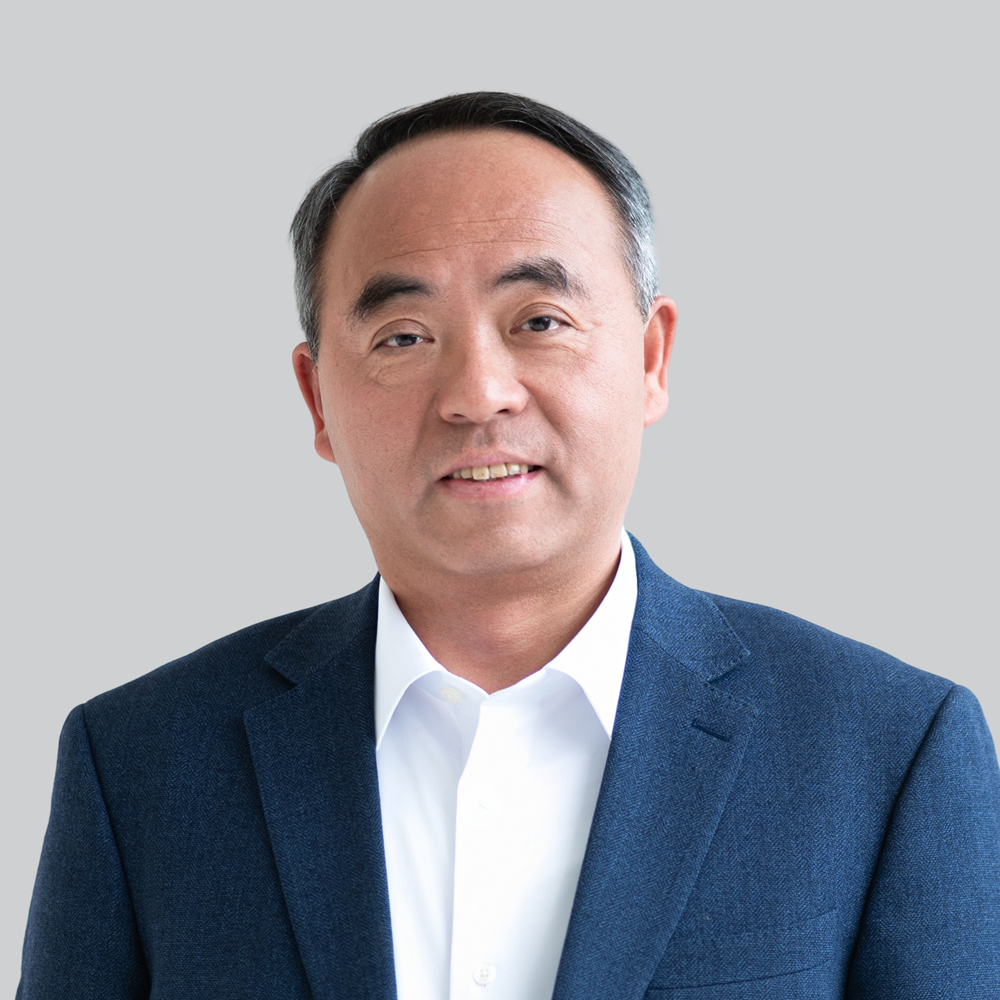 胡文平,中国科学院院士,天津大学教授,厦门大学校长,智能传感功能材料全国重点实验室执行主任,有机集成电路教育部重点实验室主任。他于1993年本科毕业于湖南大学化学化工系,先后在中国科学院金属研究所、化学研究所获得硕士、博士学位,曾赴日本大阪大学、德国斯图加特大学开展合作研究,2003年入选中国科学院"百人计划"归国投身科研事业。他长期从事有机半导体物理化学的研究,瞄准“有机集成电路”这一重大科技前沿,聚焦源头创新,构筑了“有机半导体分子→有机半导体晶体→有机场效应晶体管和有机集成电路”的特色研究体系,为新型有机半导体材料与器件的应用做出重要贡献。他担任《SmartMat》创刊主编,并担任《Advanced Energy Materials》、《Advanced Electronic Materials》、《Nano Research》、《Science China Materials》等期刊的国际编委。荣获国家自然科学二等奖2项、天津市自然科学奖特等奖与一等奖各1项、全国创新争先奖、全国优秀博士学位论文指导教师、天津市“最美科技工作者”等荣誉。
 注册参加会议
 登录会议管理